You can drive Patagonia by camper in every season, but the experience is not interchangeable. The same gravel pass that is routine in late summer can be slower in mud after rain in spring, or closed after snow in winter. Ferries on tight legs of the Carretera Austral fill in peak weeks. Wind is a constant variable: it shapes fatigue, fuel use, and how pleasant it feels to cook outside.
This guide is written for international travellers planning roughly three to four weeks in Chilean Patagonia or a Chile plus Argentina loop. It assumes self-contained camping, manual gearboxes, and the kind of flexibility long roadtrips need when a border queue or a cancelled sailing eats a day.
Use it to pick a season, then build slack into the route. If you want a second opinion on your exact month and hubs, we are happy to talk it through before you lock dates.
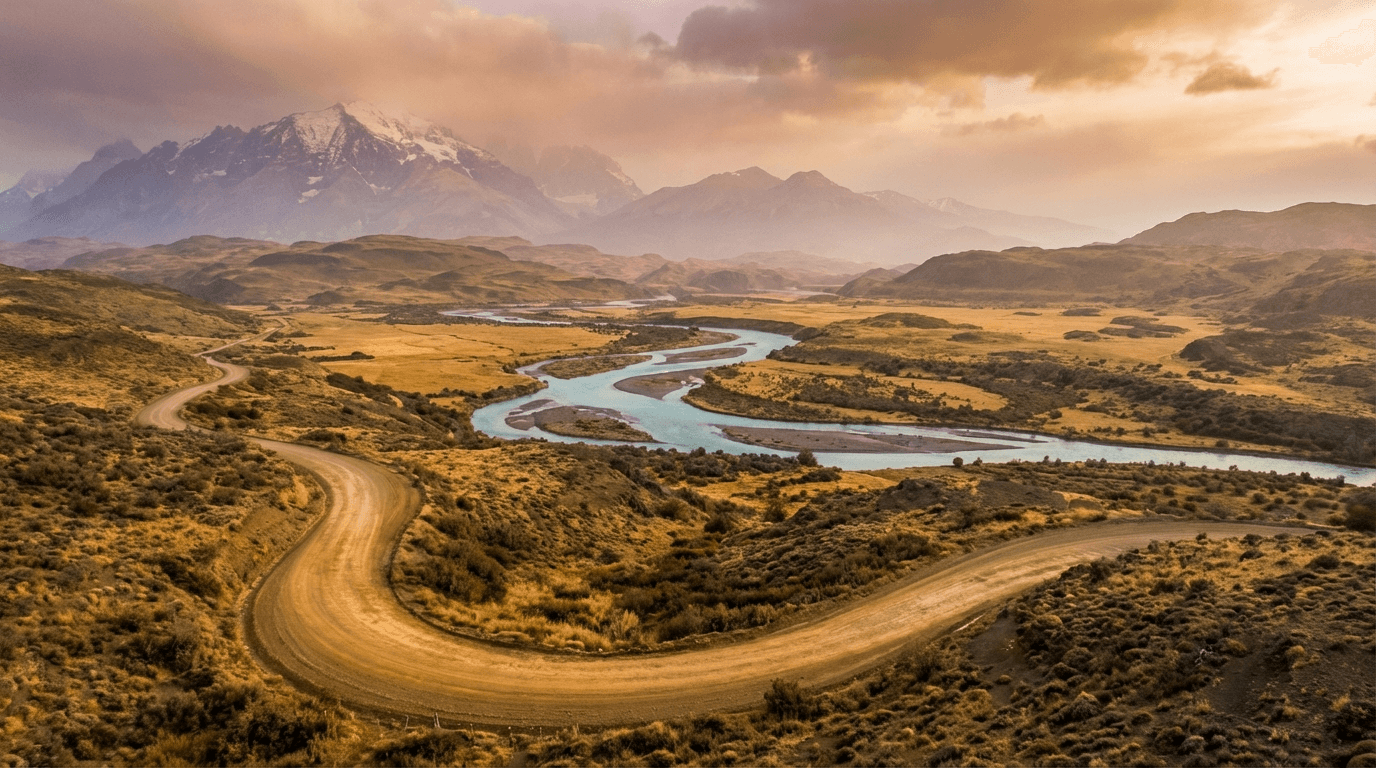
Spring (September to November)
Days lengthen quickly. Temperatures creep up, but cold rain and strong wind are still common, especially in exposed steppe and along the coast. Rivers and side roads can stay soft after wet spells.
Crowds are lighter than peak summer, and campgrounds are easier outside holiday weekends. Ferry pressure is usually lower than January, but sailings still run reduced schedules on some legs, so you book, you do not assume walk-on space on a tight itinerary.
For a long Patagonia roadtrip, spring rewards travellers who pack layers, watch forecasts, and keep alternative legs in mind. It is viable for 20 to 30 days if you avoid chaining critical ferries back to back without buffer.
Summer (December to February)
Peak season. Average temperatures are at their most forgiving, though "warm" in the south still means wind jackets and hats. Daylight is long, which helps you spread driving hours and recover from delays.
Crowds concentrate on Torres del Paine, El Chaltén, and key viewpoints. Campgrounds and popular parking fill early. Book ferries where they exist on your route, particularly in January and around local holidays.
Roads are generally in their most predictable condition for gravel and high passes, but dust, tourist traffic, and occasional closures after storms still happen. For a Patagonia camper trip focused on coverage and national parks, summer is the default recommendation if you accept higher demand and less solitude.
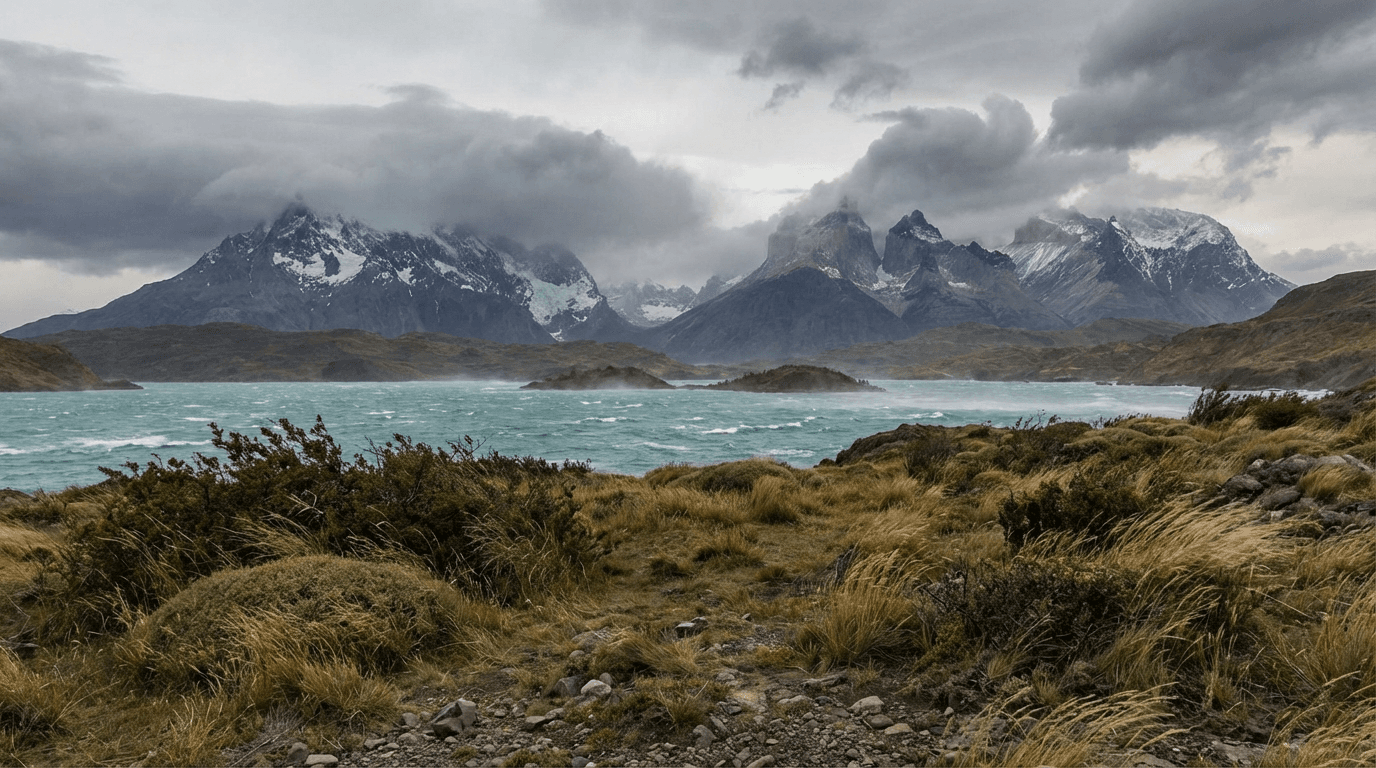
Autumn (March to May)
March often behaves like an extension of summer with cooler nights and thinning traffic. April brings shorter days, more rain, and a quieter road. Forest colour in some valleys is a draw for photographers; wind does not disappear.
Services start to wind down in smaller towns late in the season. Ferry frequency can drop compared with January, so you verify timetables against your dates rather than last year's notes.
Autumn is a strong pick for a long Patagonia roadtrip if you want fewer people and you are comfortable with earlier sunsets and carrying real rain gear. Build buffer for slower miles in wet gravel.
Winter (June to August)
Short days, cold rain and snow at elevation, and reduced margin for error. Some routes and passes become unreliable or closed after weather events. Many travellers still move in winter for skiing hubs or specific regions, but a full south-to-south camper loop is a different project than a summer loop.
Crowds drop sharply outside ski centres. Ferries and remote services may run lean schedules; fuel planning matters more when fewer stations stay open 24 hours.
Winter Patagonia by camper suits experienced cold-weather drivers, flexible dates, and routes that stay realistic for daylight and closures. For most international visitors on a one-off long trip, we usually steer them to shoulder or summer unless they are intentionally chasing winter conditions.
Best season for different traveller types
First-time visitors
Late December through February: maximum daylight, warmest average conditions, and the simplest mental model for ferries and services. Trade-off: book ahead and expect company at highlights.
Long 20 to 30 day roadtrips
Summer for coverage and ferry rhythm, or March for a slightly quieter pace with still-reasonable daylight early in the month. Either way, pad ferry legs and border days; long loops fail when the schedule has zero slack.
Fewer crowds
Late April into May, or spring outside Chilean holiday weeks. You trade solitude for shorter days or cooler, wetter patterns. Check what is actually open in each town you depend on.
Photography
Autumn colour and low-angle light help landscapes pop; summer gives longer golden-hour windows and clearer access to high trails. Wind and cloud are never optional; plan shots around safe pull-offs, not the middle of the lane.
More stable weather (relatively)
Mid-summer often stacks the odds for passable roads and predictable ferry runs, but Patagonia is never "stable" like a dry city climate. Stable here means fewer surprises than other seasons, not none.
Practical notes
- Treat ferry legs as fixed appointments: reserve when the operator allows it, and keep a plan B route day if a sailing moves.
- Wind is structural, not exceptional. Secure awnings, roof items, and doors; plan driving blocks when gusts are forecast extreme.
- Distances on maps understate fatigue: gravel, livestock, and sightseeing stops add hours every week.
- Shoulder season works for Patagonia camper trips when you accept shorter daylight, cooler nights, and occasional itinerary changes.
- Weather will ignore your spreadsheet: carry chain awareness where relevant, offline maps, and enough food and water for an unplanned night.
- National holidays in Chile and Argentina shift traffic; sync your dates with a local calendar, not only park opening hours.
- Diesel availability and card payment vary; keep cash in local currency for small camps and toll-style stops.
Best camper for this trip
Match the rig to how you move, not just headcount. All Otto campers are built for long miles and off-grid nights.
Otto Escape
Light, nimble 2WD for couples who want to keep fuel stops simple and spend more time on main gravel and paved corridors. Fits Patagonia legs that avoid the roughest approaches and deepest mud seasons, especially when you route for services.
Otto Scout
4WD mid-size platform most long Patagonia roadtrips gravitate toward: enough clearance and traction for variable gravel, river crossings where permitted, and the mixed conditions you see in shoulder season without jumping to the largest rig.
Otto Backcountry
Diesel 4WD with range and storage for extended southern sectors, rougher side roads, or a third traveller. Strong when your Patagonia camper trip stacks remote nights and you want headroom on battery, water, and carrying capacity.
Have dates and a rough route? We can confirm availability and cross-border paperwork in one conversation.
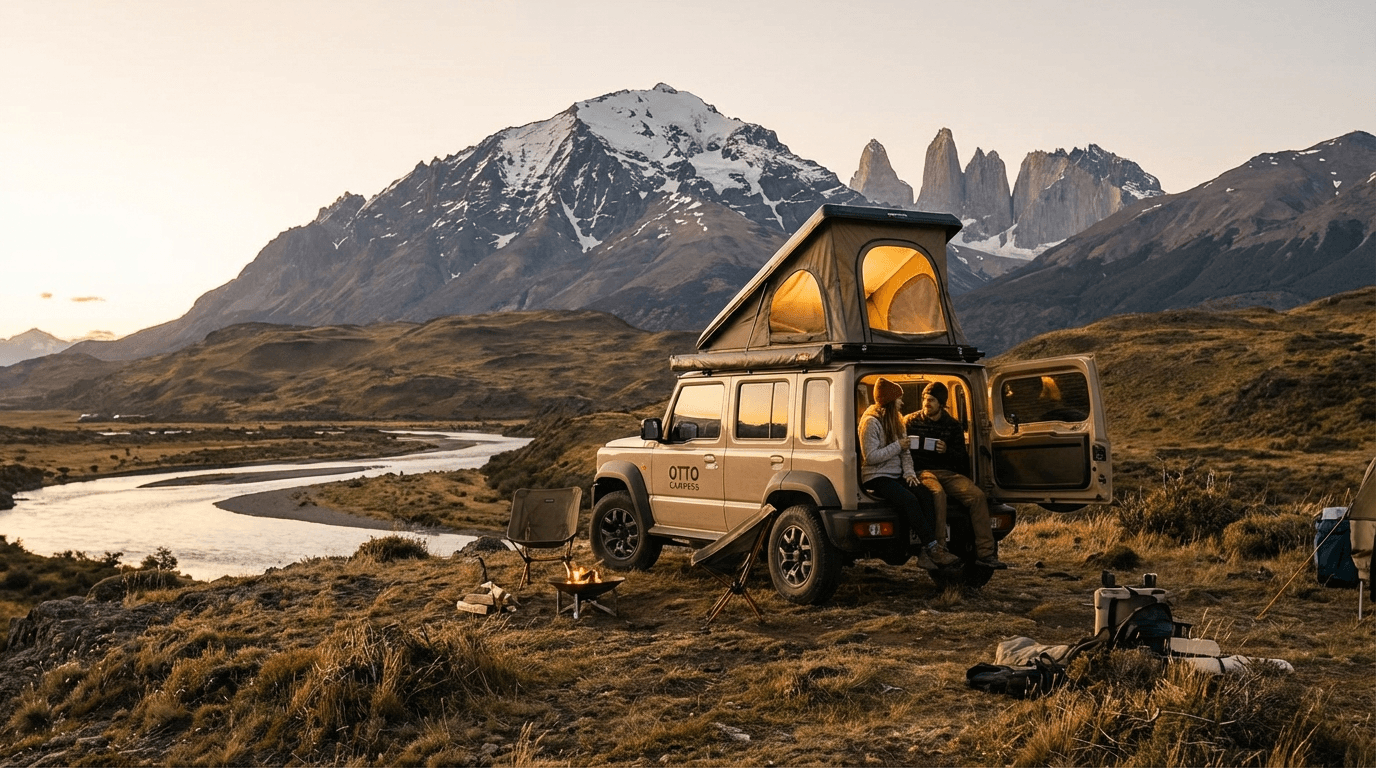
The best time to visit Patagonia by camper is the window where your group can handle wind, ferry timing, and the chance of a lost day without wrecking the whole loop. Summer is the default for good reasons; autumn and shoulder seasons reward planners who value quiet over certainty.
Match season to vehicle, then match both to a route with slack. When that lines up, a 20 to 30 day Patagonia roadtrip stops feeling like a gamble and starts feeling like the trip you actually wanted to drive.