
Renting a camper in Chile is straightforward once you understand a few fixed points: who may drive, what the vehicle actually ships with, and how pick-up hubs relate to the mileage you will cover. The friction travellers feel usually comes from surprises, not from the rental model itself.
Otto works in weeks, not days. Our campers are set up for self-contained travel: solar, water, cooking kit, and everything you need off-grid. Chile and Patagonia reward itineraries that have room to wait out weather, ferry schedules, and border queues. The same planning lens applies whether you are comparing campervan rental in Chile across operators or narrowing in on a single vehicle class. This guide is written for that kind of trip.
Use it as a checklist before you book. If something is unclear for your specific route, we are happy to walk through it on WhatsApp or email. No pressure, just accurate answers.
Driver's licence requirements
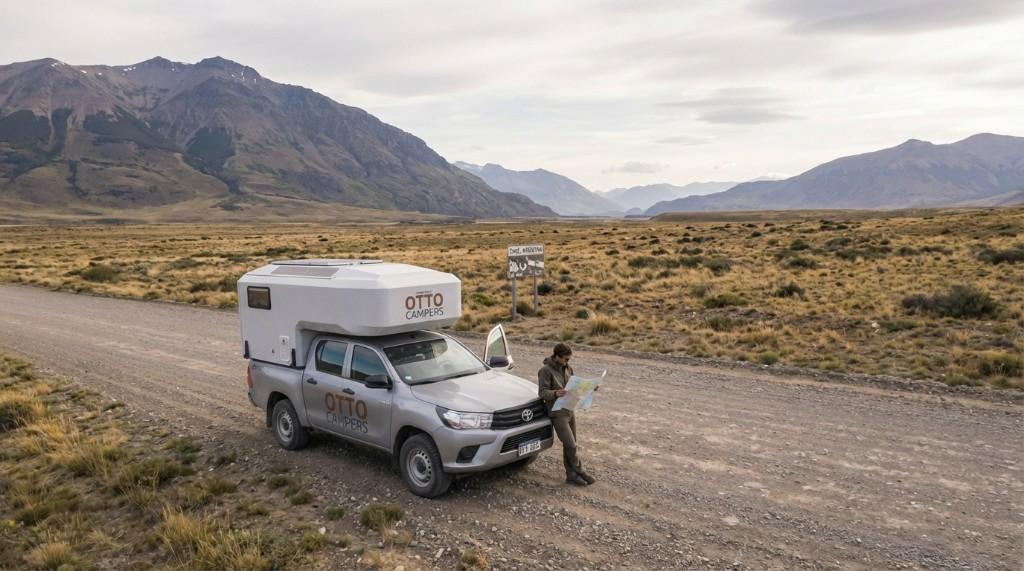
Chile recognises foreign licences for visitors, but when you rent a camper in Chile the deciding factor is often the insurance contract tied to the vehicle. Most setups expect a valid licence from your home country together with an International Driving Permit that matches the same categories you hold at home.
Apply for the IDP before you leave; it is not something you sort at the counter. Check that the permit covers the weight class of the camper you are hiring. If you are unsure, send us a photo of your licence and IDP cover, and we will tell you plainly whether it lines up with our fleet.
What is usually included in a camper rental
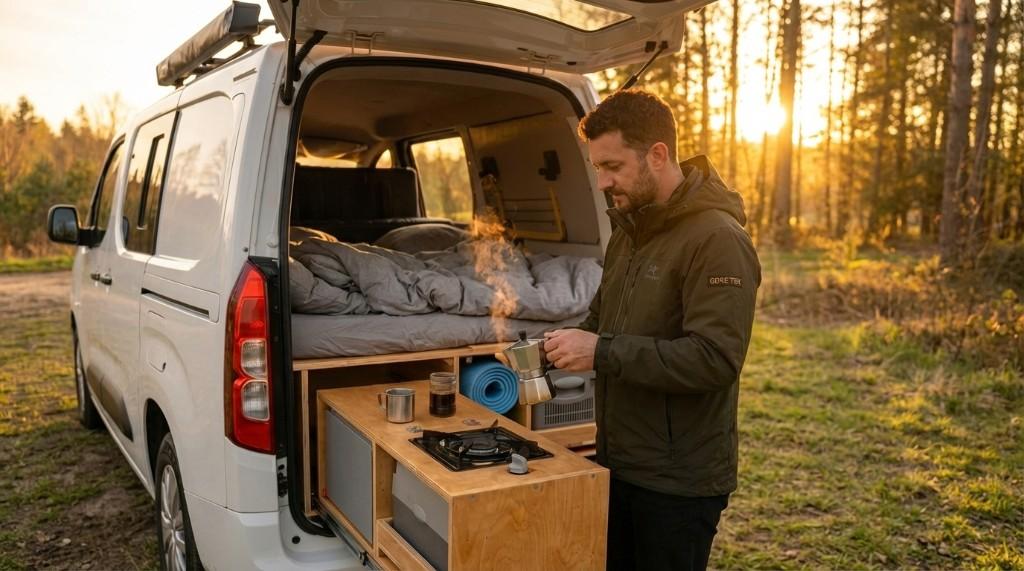
A serious campervan in Chile should arrive ready to live in, not as an empty van with a mattress. On an Otto handover you can expect sleeping space for the rated occupancy, cooking equipment, fridge, clean water storage, interior lighting, and a solar-assisted electrical system suited to multi-night stays away from hookups.
Tableware, basic tools, and camp comfort details vary by vehicle tier; we run through the full inventory at pick-up so nothing is ambiguous. You pack clothes, food, and personal gear. We supply the platform.
Insurance and damage basics
Think of insurance as shared risk, not a blank cheque. You pay a rental rate that includes baseline coverage; excesses and specific exclusions still apply, as they would on any specialised vehicle in remote territory. Read the summary we send with your quote so you know what is covered for gravel damage, glass, and third-party liability.
Treat the camper like equipment you are responsible for returning in working order: secure loose items before rough sections, check tyre pressures when temperatures swing, and report incidents early. We are direct about costs because clarity keeps long trips calm.
Pick-up, drop-off, and hubs
Geography drives logistics. Otto operates from defined hubs, places where we maintain vehicles, complete paperwork, and brief you properly. One-way rentals between hubs are possible when planned in advance; they affect pricing and availability because each vehicle has to end where the next booking expects it.
When you sketch a camper rental Chile itinerary, start from the hub that matches your flight and the region you want to finish in. We will say no if a routing does not work for the fleet; we would rather reset the plan early than leave you with an impossible return.
Crossing from Chile to Argentina
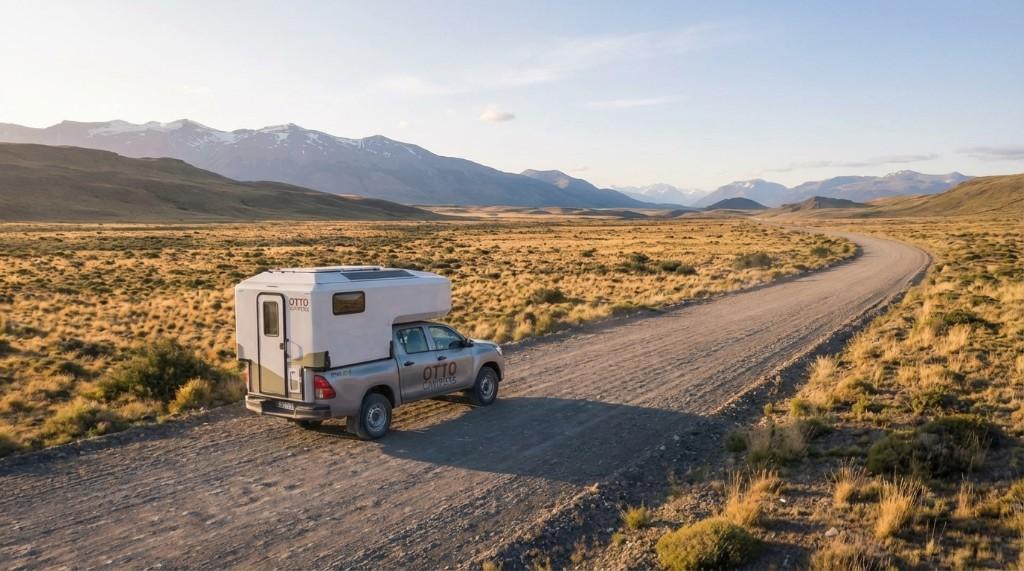
Taking a rented camper from Chile into Argentina is possible with Otto when the trip is registered correctly and documentation is prepared ahead of time. This is not a last-minute border decision: permits, vehicle paperwork, and insurance alignment all need to match the dates and direction of travel.
Tell us every border you intend to use when you request a quote. We coordinate what the renter must carry versus what we file on our side. Rules change slowly but checkpoints do not. Arrive with paperwork in order and patience for processing. For timing, fuel, and what actually changes when you cross, see our Chile–Argentina border guide.
What kind of trip works best in Chile
Chile is long and thin: you cover serious kilometres if you try to compress north, centre, and south into one short hire. Camper rental Chile trips tend to feel better from roughly three weeks upward, especially if Patagonia or the Carretera Austral is on the list. That window gives you buffer for closed passes, high wind days, and the ferry segments that do not run to a tight urban timetable.
Shorter hires work when the geography is tight: wine country and nearby coast, or a focused southern loop with realistic daily limits. If you only have ten days, we will help you choose a corridor that does not pretend the country is small.
Practical notes
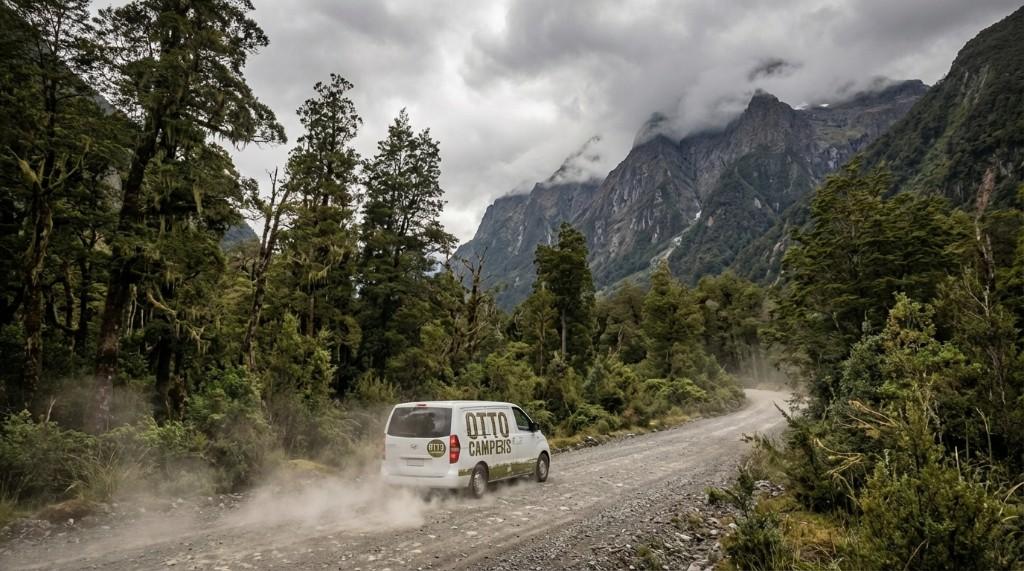
- Distances on a map rarely match driven time: gravel, livestock, and weather add hours in the south.
- Fuel range matters on remote stretches; plan refuel before long gaps, not after.
- Summer daylight is generous; winter trips are viable but demand tighter routing and more clothing volume.
- Manual transmissions are standard on our fleet. Confirm comfort with stick before you commit.
- National parks and private camps often take cash or local cards; keep a small float in pesos.
- Ferry bookings during peak weeks can sell out; build flex days if your route depends on a specific sailing.
- Satellite or offline maps are a sensible backup where mobile data drops on mountain passes.
Best camper for this trip
Match the rig to how you move, not just headcount. All Otto campers are built for long miles and off-grid nights.
Otto Escape
Compact 2WD layout for two travellers who want low fuss on paved and moderate gravel, shorter legs between hubs, and easier parking in towns. Strong when your camper rental in Chile focuses on wine country, coast, or a lighter Patagonia mix with fewer rough approaches.
Otto Scout
Mid-size 4WD for couples who want extra capability without jumping to the largest platform. The balanced choice for many 20 to 30 day loops that include the Lake District, parts of the Austral, and variable surface conditions.
Otto Backcountry
Full-size diesel 4WD for maximum comfort, storage, and range when you are stacking long southern sectors, rougher access, or a third traveller. The rig to match when the itinerary assumes fewer nights near services.
Have dates and a rough route? We can confirm availability and cross-border paperwork in one conversation.
Renting a camper in Chile is less about finding a generic van and more about matching vehicle, duration, and hubs to how the country actually drives. Get the licence paperwork right, read what is included, and be honest about borders and dates from the start. Those three decisions remove most of the noise.
When you are ready, we will align the hardware with your route and confirm what cross-border travel requires for your exact window. No filler, just a clear plan you can execute on the ground.